Introduction
Bitcoin has survived multiple boom-and-bust cycles, government crackdowns, exchange failures, and endless predictions of both extinction and world domination. In 2026, the conversation looks different. Institutional investors are more involved, Bitcoin ETFs are widely available in several markets, and public companies continue to hold Bitcoin on their balance sheets. Yet volatility remains as alive as a mosquito in a humid Indian summer.
The Bull Case: Why Investors Are Interested
One of the strongest arguments for Bitcoin in 2026 is institutional adoption. Spot Bitcoin ETFs have made it easier for traditional investors to gain exposure without dealing with wallets or private keys. Large asset managers and financial institutions have continued to expand their crypto offerings, helping Bitcoin become more accessible to mainstream investors.
Another factor is scarcity. Bitcoin’s supply remains capped at 21 million coins. Supporters argue that this fixed supply makes it attractive in an era where governments can expand money supply and increase debt levels. Many investors view Bitcoin as a digital alternative to gold.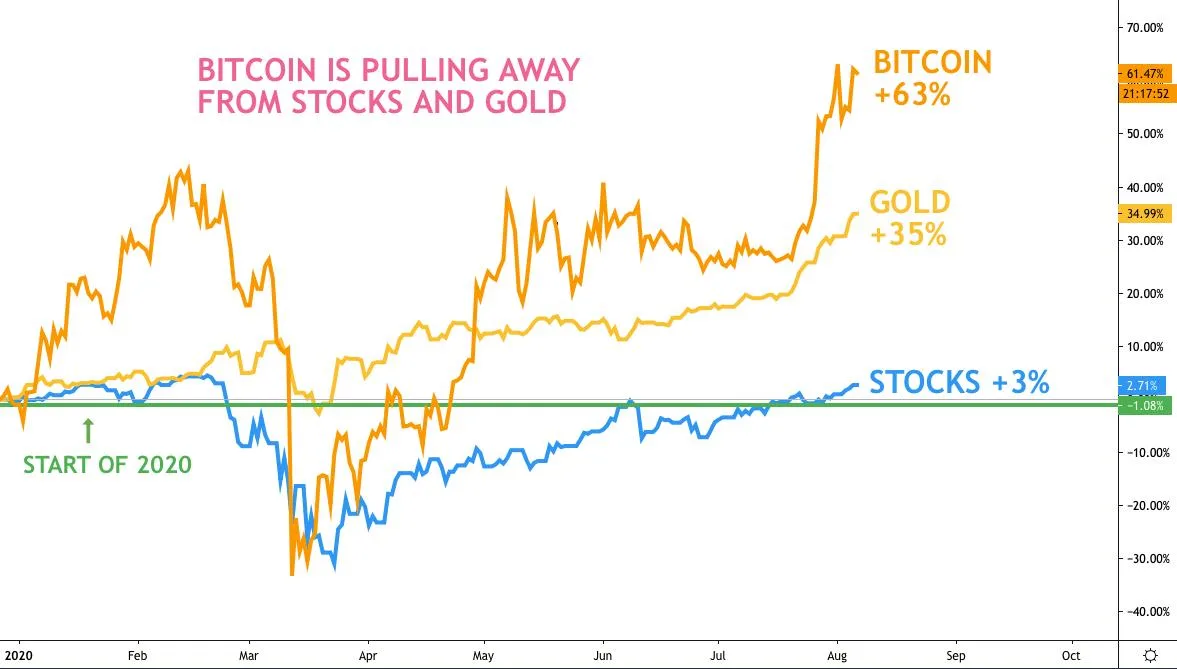
The Bear Case: Why Some Investors Stay Away
Despite growing acceptance, Bitcoin remains highly volatile. A double-digit price swing within days is still common. Investors who cannot tolerate significant fluctuations may find Bitcoin stressful and unsuitable for their risk profile.
Regulatory uncertainty is another concern. While some countries have embraced digital assets, others continue to impose restrictions. Changes in taxation, compliance requirements, or crypto regulations can influence market sentiment and prices rapidly.
Bitcoin vs Traditional Investments
Bitcoin has delivered impressive long-term returns compared with many traditional asset classes. However, it behaves differently from stocks, bonds, and real estate. Unlike a business, Bitcoin does not generate cash flow. Unlike bonds, it does not pay interest.
For this reason, many financial professionals view Bitcoin as a speculative asset or a portfolio diversifier rather than a complete replacement for traditional investments. Investors often allocate only a small percentage of their portfolio to Bitcoin to balance potential rewards against risk.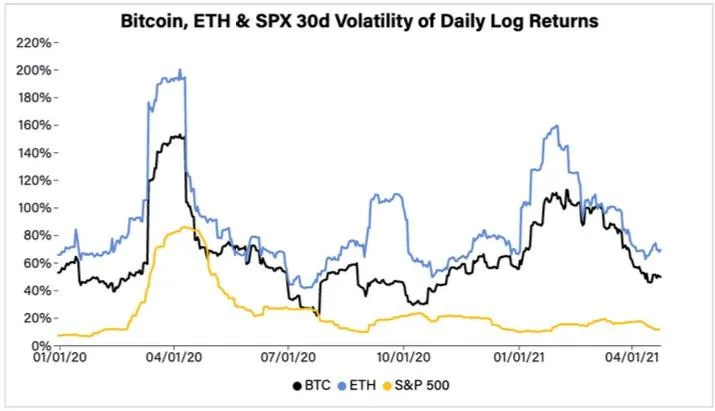
Suggested image: Comparison chart showing Bitcoin, stocks, gold, and bonds.
What Could Drive Bitcoin Higher?
Several catalysts could support Bitcoin prices in the coming years:
• Continued ETF inflows and institutional participation.
• Greater regulatory clarity in major economies.
• Increased corporate treasury adoption.
• Growing use of Bitcoin as a hedge against currency debasement and inflation concerns.
• Broader public acceptance of digital assets.
If these trends continue, Bitcoin could benefit from increased demand and wider market legitimacy.
The Risks You Should Not Ignore
Investors should remember that Bitcoin remains a young asset class. Security risks, exchange failures, technological issues, and changing market sentiment can still impact prices.
There is also the possibility that expectations become too optimistic. Markets rarely move in straight lines. Even in strong long-term trends, Bitcoin has historically experienced severe corrections that tested investor conviction.
Should You Invest or Stay Away?
The answer depends on your goals and risk tolerance.
If you are looking for stability, predictable income, or short-term certainty, Bitcoin may not be the right choice. Its volatility alone can make it uncomfortable for conservative investors.
If you understand the risks, believe in the long-term adoption of digital assets, and can tolerate significant price swings, a modest allocation to Bitcoin may be worth considering as part of a diversified portfolio.
Conclusion
Bitcoin in 2026 sits at an interesting crossroads. It is no longer a fringe experiment, yet it has not become a universally accepted safe-haven asset either. The asset offers substantial upside potential alongside substantial risk. For most investors, the most sensible approach is neither blind enthusiasm nor complete avoidance, but careful position sizing, diversification, and realistic expectations.
Disclaimer: This article is for informational purposes only and should not be considered financial advice. Always conduct your own research before making investment decisions.
Bitcoin 2026: Should You Invest or Stay Away?
Table of contents
You may also be interested in:
View All
Best Crypto Launchpads and IDO Platforms in 2026
A comparison of the best crypto launchpads and IDO platforms in 2026, with guidance on how to choose the right launchpad for your project.
9 Min Read
Read More
Best Crypto Launchpads and IDO Platforms in 2026
A comparison of the best crypto launchpads and IDO platforms in 2026, with guidance on how to choose the right launchpad for your project.
9 Min Read
Read More Best Crypto Launchpads and IDO Platforms in 2026
A comparison of the best crypto launchpads and IDO platforms in 2026, with guidance on how to choose the right launchpad for your project.
9 Min Read
Read More